Garage door insulation · Tucson, Arizona
Tucson Door Insulation For A Garage
Describe what you have—door type, heat or noise issues, and gaps—once, and get connected with a local Tucson contractor who handles garage door insulation.
✓Describe the door once
✓Connect with a local contractor
✓You decide what happens next
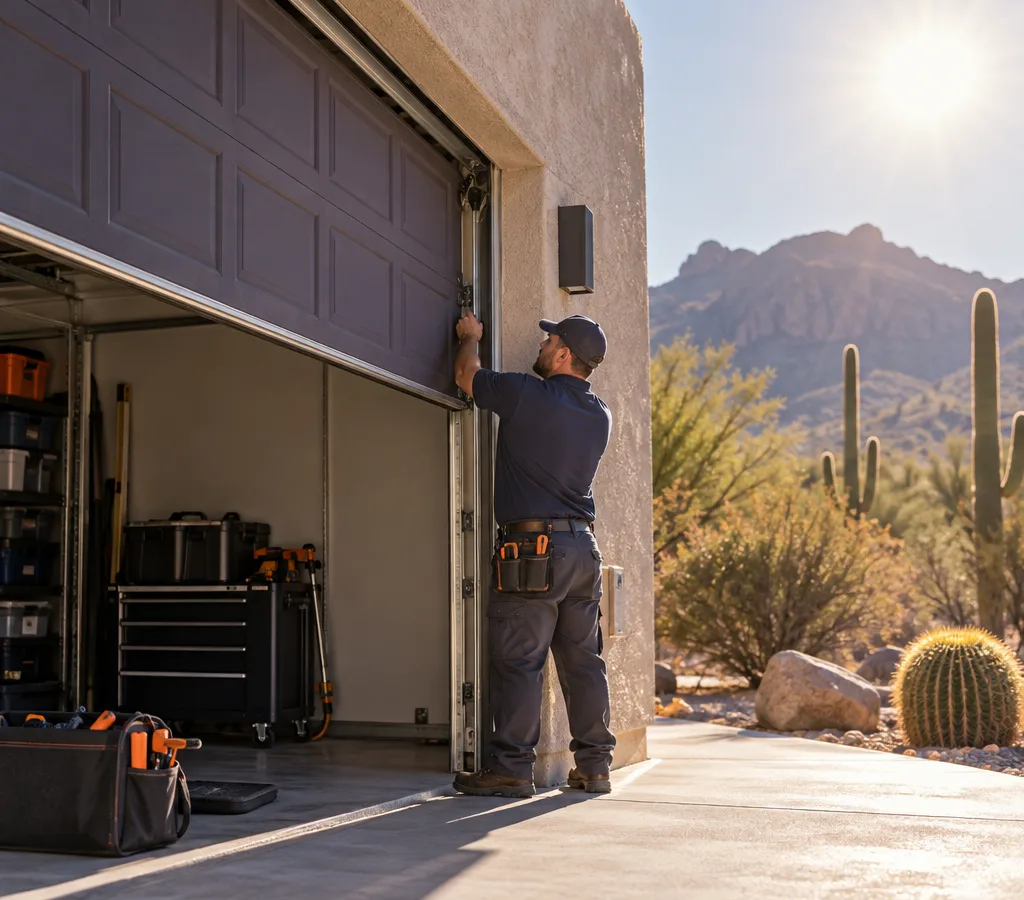
What insulation work involves
Garage door insulation in Tucson: what it fixes and what a contractor will look at first
If your garage feels like an oven by mid-day, that heat can push into adjacent rooms, and a loud door can turn every open-and-close into a whole-house event. Garage door insulation is a practical upgrade because the door is a large, moving panel that is usually thinner than the surrounding walls.
When Tucson homeowners call about garage door insulation, they typically want one or more of these outcomes:
- •Less heat transfer through the door itself, especially on doors exposed to direct afternoon sun.
- •Reduced vibration and rattling that amplifies opener noise.
- •A tighter perimeter seal so hot air, dust, and insects are less likely to enter.
A contractor usually starts by checking the door as a complete system, not just the panel cavities.
Door construction and panel depth
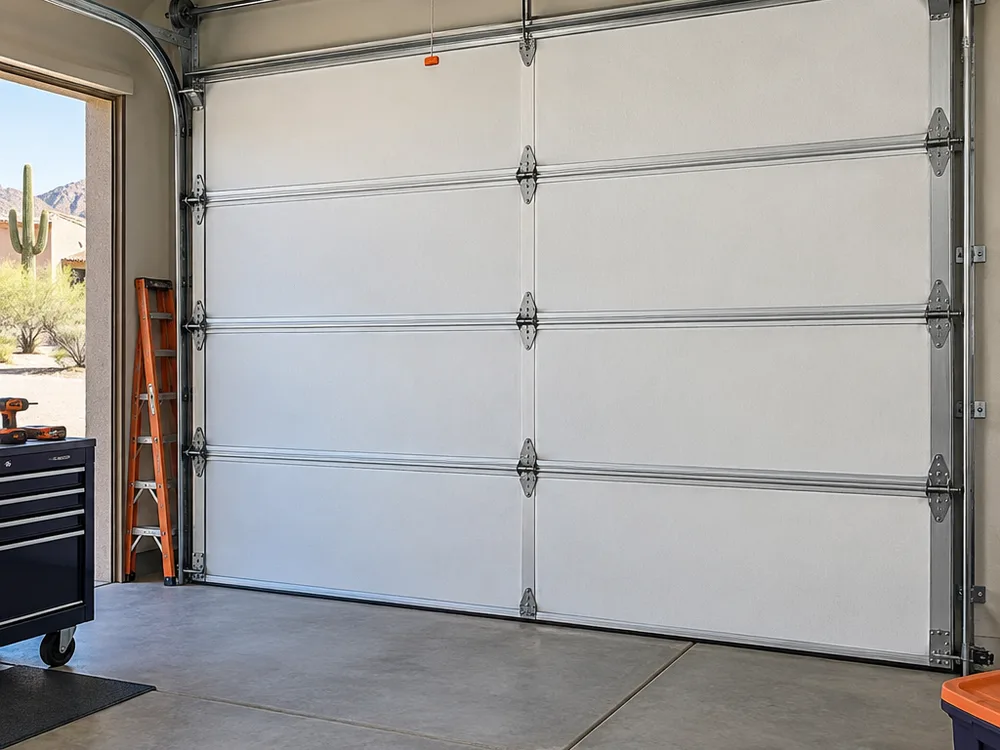
Most sectional garage doors have frame-and-panel construction. Panel depth, material, and whether the interior has exposed ribs or a flat face affect which insulation products fit and how they can be secured.
Balance and spring condition
Adding insulation adds weight. A contractor can check how the door behaves when lifted manually with the opener disconnected and whether added weight could place more strain on the opener or springs.
Track alignment and roller condition
Insulation may reduce rattles, but worn rollers, loose hinges, or misaligned tracks can still cause noise and rough travel. Those issues are commonly addressed before or alongside insulation.
Perimeter seals and the bottom retainer
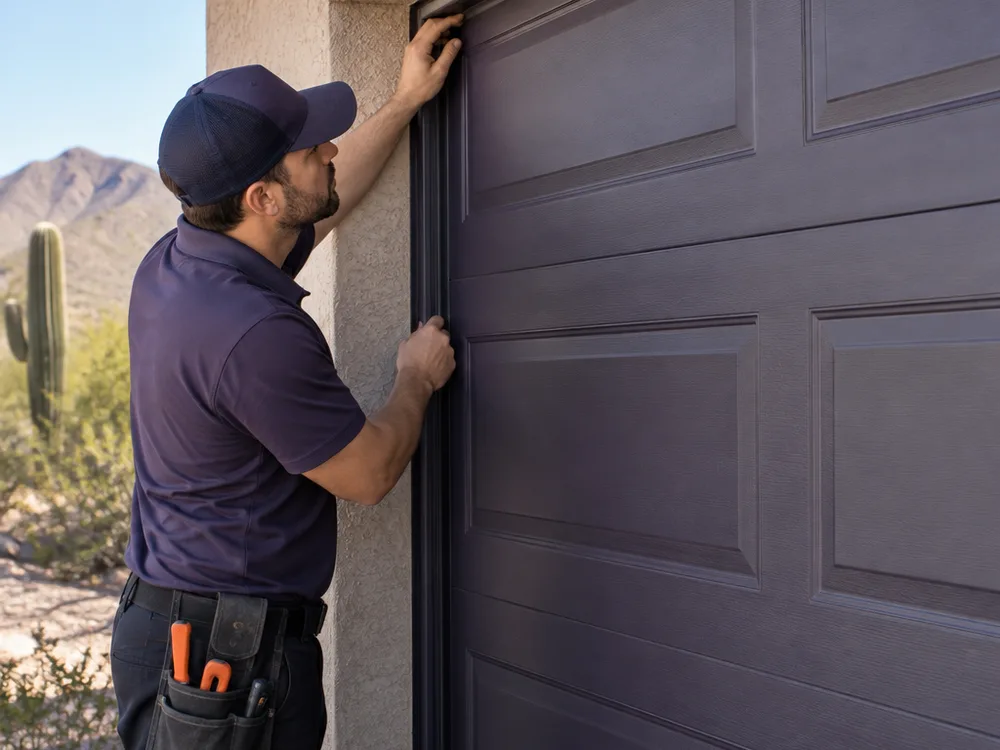
Many comfort complaints come from edge gaps rather than the panel surface. Contractors often inspect the bottom seal, side and top weatherstripping, and how squarely the closed door sits in its opening.
Moisture and condensation
Temperature swings can create condensation on metal. The contractor may consider garage ventilation, sun exposure, and whether an insulation choice could trap moisture against the door skin.
If comfort in rooms beside the garage is the goal, panel insulation can be considered alongside air sealing at the service door and shared wall. A door that binds, pops, or does not close cleanly should be made mechanically sound before insulation is added.
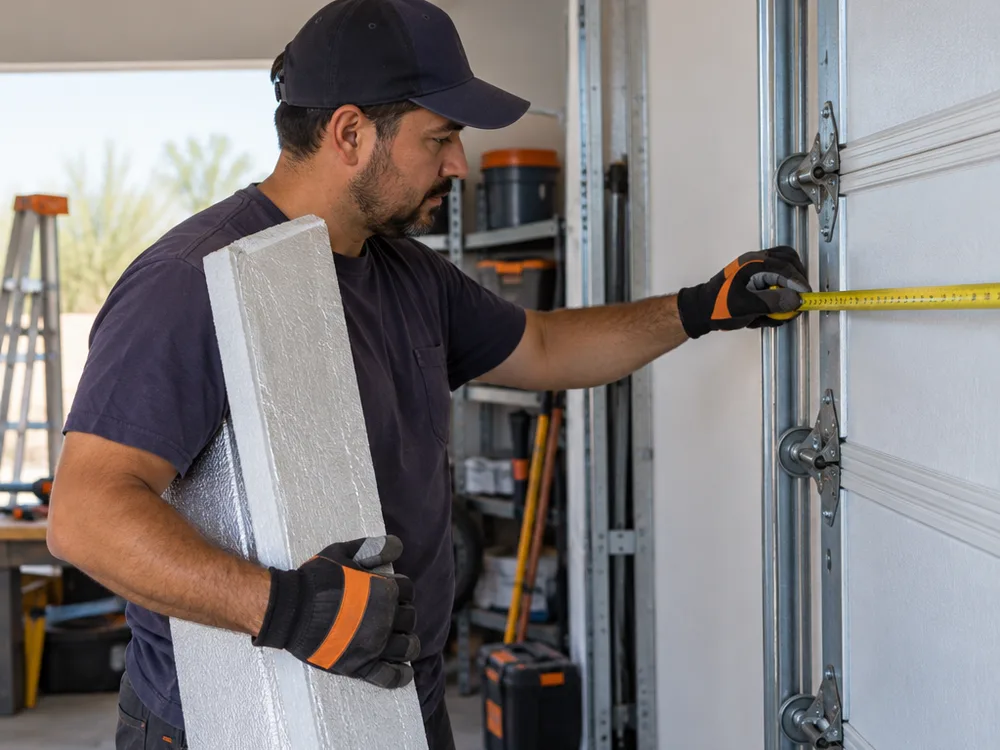
Comfort and operation
What homeowners usually like about insulating a garage door
Steadier garage temperature
Insulation slows heat moving through the largest surface in the garage. That matters most when the door gets direct sun and when the garage shares a wall with living space.
Less rattle and vibration noise
Filling hollow panels and tightening the system can cut down the drum-like effect of thin metal doors, especially with chain-drive openers.
Better sealing at the opening
Contractors often recommend pairing panel insulation with side and top weatherstripping and a bottom seal so gaps do not undermine the upgrade.
Door operation checked at the same time
Because added weight changes how a door behaves, many installers verify balance and basic hardware condition while planning the insulation approach.
Options for different door styles
A contractor can match the insulation method to a steel sectional door, wood door, or a door that already has some insulation but still leaks air around its edges.
From door details to installation
How garage door insulation work typically goes
-
Step01
Describe the door and the issue
Mention whether the door is single or double, steel or wood, whether it already has interior panels, and whether you want to improve heat, noise, dust, or gaps. Those details help connect you with a local contractor who handles this work.
-
Step02
On-site evaluation of fit and door condition
The contractor checks panel dimensions, the interior layout, and how the closed door sits in its opening. They also look for loose hinges, worn rollers, and balance concerns before adding weight.
-
Step03
Select an insulation approach
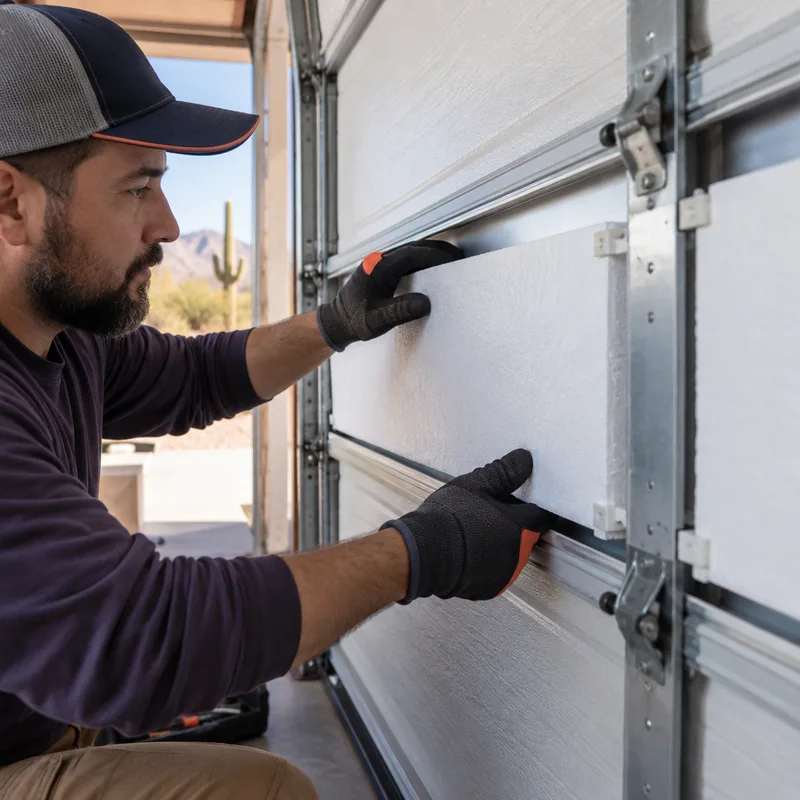
Options may include rigid foam board cut for panel cavities, reflective products designed for garage doors, or an insulated replacement door when the existing door is not a suitable candidate.
-
Step04
Install insulation and secure it for movement
Materials are cut, fitted, and fastened so they do not rub on tracks or interfere with hinges. Edges are kept tidy to prevent snags as the sections move through the track radius.
-
Step05
Seal the perimeter and confirm operation
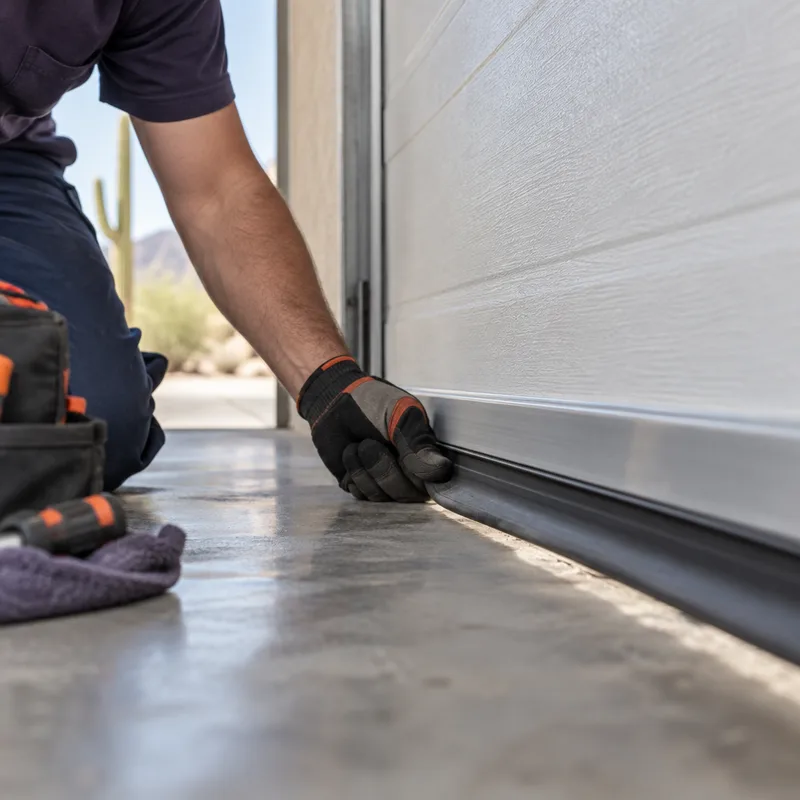
If weatherstripping or a bottom seal is included, it is fitted so the door closes evenly. The contractor then checks travel, safety reversal, and opener settings if the added weight requires adjustments.
If you can describe your garage door type and what you are trying to fix—heat, noise, or gaps—we can connect you with a Tucson-area contractor who can take it from there.
520-268-9060Work and material details
Garage door insulation details you can expect to see
Questions before you call
Questions to ask about garage door insulation in Tucson
Will insulating my garage door make the door too heavy for the opener?
It can, depending on the insulation type and the condition of the springs. A contractor will usually check door balance and spring performance because springs, not the opener, do most of the lifting.
Is it better to insulate the panels, seal the gaps, or both?
Both may be needed because panel insulation slows heat through the door while weatherstripping and the bottom seal address air leakage around it. If you feel hot air moving around the edges or see daylight at the jambs, sealing is often a priority.
What insulation materials are commonly used for garage doors?
Contractors commonly use rigid foam board sized to panel cavities, insulation kits designed for sectional doors, or reflective products intended for doors that receive heavy sun. The right choice depends on the door's interior shape and how the material can be secured for repeated movement.
Can insulation help with a loud, rattling garage door?
Insulation can reduce vibration and the drum-like sound of thin metal panels, but it will not fix worn rollers, loose hinges, or track issues. If hardware wear is causing the noise, a contractor may recommend addressing those parts so the noise reduction is meaningful.
What should I have ready when I call about garage door insulation?
Have the door size, material, whether it has windows, and what you notice—heat buildup, drafts, noise, or dust. It also helps to note whether the garage door faces strong afternoon sun.
Do I need to replace the whole garage door to get insulation?
Not always. Many doors can be insulated after installation, but some older doors are a poor fit because the panels are too thin, the interior shape does not hold insulation well, or the door already has operation problems. If replacement is the better option, the contractor can explain why based on the existing door.
How does Tucson Garage Door Repairs work if I want to move forward?
Tucson Garage Door Repairs takes your call, gets the key details about your door and goals, and connects you with a local contractor who handles garage door insulation. You speak with the contractor directly about the scope and any warranty terms, then decide whether to proceed.
One call starts the connection
Ready to make your garage door more comfortable and quieter?
Tell us what kind of door you have and what you want to improve, and we will connect you with a local Tucson-area contractor who can evaluate the door and recommend an insulation approach.